Geasthon: A Versatile Casual Script Font for Modern Creativity
In the ever-evolving world of design, typography plays a crucial role in shaping the visual identity of brands, businesses, and creative projects. Among the many fonts available, Geasthon has emerged as a standout choice for professionals, creators, and entrepreneurs looking to infuse their work with a touch of personality and elegance. As a casual script font, Geasthon offers a unique blend of readability and style that makes it highly versatile across various applications—from letterheads and titles to stationery and digital content.
What Is Geasthon?
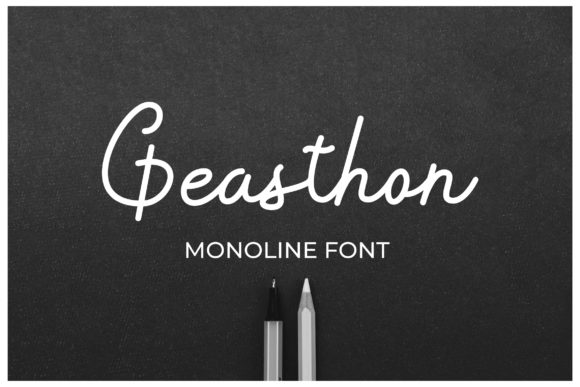
Geasthon is a carefully crafted casual script font designed to bridge the gap between formal and informal typography. Unlike traditional serif or sans-serif fonts, Geasthon features fluid, handwritten-like strokes that mimic the natural flow of cursive writing. This gives it an approachable yet sophisticated look, making it ideal for both digital and print media.
The font's design emphasizes legibility while maintaining a sense of warmth and character. Its letters are slightly slanted, with subtle variations in stroke thickness that add depth and visual interest. These qualities make Geasthon particularly well-suited for headings, logos, and other elements where a personal touch is desired without sacrificing clarity.
The Growing Demand for Personalized Typography
In recent years, there has been a noticeable shift in how people perceive and use typography. Consumers and professionals alike are increasingly seeking out fonts that reflect individuality and authenticity. This trend aligns perfectly with the rise of Geasthon, which allows users to express their brand voice through distinctive lettering.
Marketers and designers are leveraging this preference for personalized typography to create more engaging and memorable content. Whether it's a business card, social media post, or website header, the right font can significantly impact how a message is received. Geasthon’s versatility enables it to adapt to different contexts, from professional settings to more casual, lifestyle-oriented projects.
Why Geasthon Appeals to a Wide Audience
One of the key reasons why Geasthon has gained attention is its ability to cater to diverse needs. For example:
- Entrepreneurs can use Geasthon for branding materials such as logos, packaging, and promotional content to convey a friendly yet professional image.
- Freelancers benefit from its clean lines and elegant curves when creating resumes, proposals, or client communications that stand out in a competitive market.
- Marketers appreciate how Geasthon enhances the visual appeal of email campaigns, blog posts, and advertisements by adding a human element that resonates with audiences.
- Crafters and artists find it useful for designing custom invitations, greeting cards, and other handmade items that require a personal and artistic flair.
These practical applications highlight how Geasthon fits into the broader creative landscape, where the need for expressive yet functional typography continues to grow.
Geasthon in the Context of Industry Trends
The popularity of Geasthon is not just a passing fad—it reflects deeper changes in how we interact with design and technology. In today's fast-paced digital environment, users are constantly bombarded with information, making it harder for messages to cut through the noise. As a result, there is a growing emphasis on creating content that feels more personal and relatable.
This shift is evident in several areas:
- Minimalist Design: While minimalism focuses on simplicity, it doesn't mean sacrificing character. Fonts like Geasthon allow designers to maintain a clean aesthetic while adding subtle details that enhance visual storytelling.
- Digital Branding: With more businesses operating online, the importance of a strong digital presence cannot be overstated. Geasthon helps build brand recognition by offering a consistent and recognizable typographic identity across multiple platforms.
- User Experience (UX) Design: Good typography improves readability and user engagement. Geasthon’s balance of form and function supports better UX by ensuring that text remains easy to read even in dynamic layouts.
These trends underscore why Geasthon is becoming a go-to choice for professionals who want to stay ahead of the curve without compromising on quality or style.
Practical Examples of Geasthon in Action
To understand the real-world impact of Geasthon, let's consider some examples of how it can be used effectively:
Example 1: Business Stationery
A small business owner might use Geasthon for their letterhead, envelopes, and thank-you notes. The font adds a warm, approachable feel that complements the company’s overall brand image while maintaining professionalism.
Example 2: Social Media Content
On platforms like Instagram or Pinterest, where visual appeal is paramount, Geasthon can be used for captions, headlines, or call-to-action buttons. Its casual yet stylish appearance helps capture attention and encourages interaction.
Example 3: Website Design
Websites that aim to create a welcoming atmosphere often incorporate Geasthon in navigation menus, headers, or section titles. This not only enhances the site's aesthetics but also improves the user experience by making important information more prominent.
Conclusion: Embracing the Future of Typography
As we continue to navigate an increasingly digital and visually driven world, the role of typography in shaping our experiences will only become more significant. Fonts like Geasthon represent a new era in design—one that values both functionality and expression.
Whether you're a marketer looking to boost engagement, a freelancer aiming to stand out in your field, or simply someone who appreciates beautiful design, Geasthon offers a powerful tool to bring your ideas to life. Its adaptability, elegance, and ease of use make it an excellent choice for anyone seeking to elevate their creative projects with a touch of personality.
By embracing fonts like Geasthon, we not only enhance the visual appeal of our work but also connect more deeply with our audiences. In doing so, we pave the way for a future where design is not just about aesthetics, but also about meaning and emotion.