Astilbe: A Font That Merges Elegance with Functionality in Modern Design
In the ever-evolving world of typography, where clarity and aesthetics are paramount, Astilbe has emerged as a standout choice for professionals, creators, and entrepreneurs alike. This well-balanced, lovely handwritten font brings a unique charm that feels both personal and professional. Its casual yet refined appearance makes it incredibly versatile, suitable for a wide range of applications—from branding and marketing materials to digital interfaces and print media.
What is Astilbe?
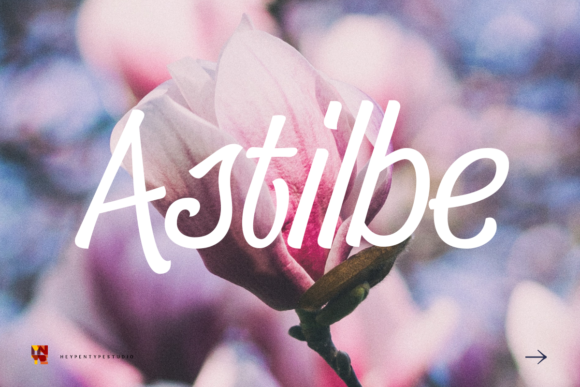
Astilbe is a typeface designed to mimic the fluidity and warmth of hand-written text while maintaining readability and structure. Unlike overly stylized or decorative fonts that can become difficult to read at smaller sizes, Astilbe strikes a perfect balance between elegance and practicality. It features soft curves, subtle variations in stroke weight, and an overall feel that is approachable and inviting.
This font is particularly well-suited for use in environments where legibility is crucial but a touch of personality is desired. Whether used in headlines, body text, or even as a signature style, Astilbe delivers a consistent and appealing visual experience across different mediums.
The Rise of Handwritten Fonts in Professional Contexts
The growing popularity of Astilbe reflects broader trends in design and communication. In recent years, there has been a noticeable shift toward more human-centric and emotionally engaging content. This trend is evident in everything from website design to packaging and advertising, where brands are increasingly seeking ways to connect with their audiences on a more personal level.
Handwritten fonts like Astilbe tap into this desire for authenticity. They convey a sense of individuality and thoughtfulness that can be lacking in highly structured or digital-looking typefaces. For marketers and entrepreneurs, this means that using Astilbe can help create a more relatable brand image—one that feels genuine and trustworthy.
Why Astilbe Stands Out Among Other Handwritten Fonts
While there are many handwritten fonts available, what sets Astilbe apart is its ability to remain readable even when used in complex layouts or on busy backgrounds. Many handwritten fonts can appear cluttered or hard to decipher, especially when scaled down or placed against intricate designs. However, Astilbe’s clean lines and balanced proportions ensure that it remains legible and aesthetically pleasing in almost any context.
Additionally, its versatility allows it to be used across multiple platforms and formats. From mobile apps to social media posts, Astilbe maintains its integrity and visual appeal. This adaptability makes it a valuable asset for designers and developers who need a font that works seamlessly across different devices and screen sizes.
Connecting Astilbe to Industry Trends and Consumer Preferences
The increasing demand for Astilbe aligns with several key industry trends. One of these is the growing emphasis on user experience (UX) in digital design. As users spend more time interacting with digital content, the need for clear, easy-to-read text has never been more important. Astilbe meets this need by offering a visually appealing yet highly functional font option.
Moreover, the rise of remote work and digital collaboration has led to a greater reliance on online tools and platforms. In this environment, having a font that can communicate professionalism while still feeling warm and approachable is essential. Astilbe fits this role perfectly, making it an ideal choice for presentations, reports, and other business-related documents.
Practical Applications of Astilbe in Different Industries
- Marketing and Advertising: Astilbe can be used to create eye-catching headlines or taglines that stand out without overwhelming the viewer. Its soft, handwritten look adds a touch of personality to otherwise formal content.
- Web Development: When designing websites or landing pages, Astilbe can enhance the user experience by providing a friendly and readable font option. It can be used for headings, call-to-action buttons, or even in navigation menus.
- Print Media: From brochures to business cards, Astilbe offers a stylish yet professional look that can elevate the overall quality of printed materials.
- Educational Materials: Teachers and educators can benefit from using Astilbe in lesson plans, study guides, and other educational resources. Its readability ensures that students can focus on the content rather than being distracted by the font itself.
The Future of Typography and the Role of Astilbe
As technology continues to advance, the role of typography in digital and print media will only become more significant. With the rise of artificial intelligence and machine learning, there is a growing interest in fonts that can adapt to different contexts and user preferences. Astilbe, with its blend of elegance and functionality, is well-positioned to meet these evolving needs.
Designers and developers are also exploring new ways to integrate handwritten fonts into interactive experiences, such as chatbots, virtual assistants, and AI-generated content. In these scenarios, the ability of a font to convey warmth and approachability becomes even more important. Astilbe’s natural, human-like appearance makes it a strong candidate for such applications.
How to Incorporate Astilbe Into Your Workflow
If you're considering using Astilbe in your next project, here are a few tips to help you get started:
- Test It Across Platforms: Ensure that Astilbe looks good on different devices and screen sizes. Test it on desktops, laptops, tablets, and smartphones to see how it renders in various environments.
- Pair It with Complementary Fonts: While Astilbe is a strong standalone font, pairing it with a sans-serif or serif font can enhance the overall visual hierarchy of your design.
- Use It Strategically: Reserve Astilbe for headings, titles, or short bursts of text where its handwritten feel can add character without compromising readability.
- Experiment with Color and Backgrounds: Astilbe works well on a variety of backgrounds, but experimenting with color contrast can help bring out its best features.
Astilbe represents a thoughtful evolution in typography—one that honors the beauty of handwriting while embracing the demands of modern design. As professionals and creatives continue to seek fonts that are both beautiful and functional, Astilbe stands out as a compelling choice that meets the needs of today's dynamic creative landscape.