The Rise of Rope: A Font That Captures Creativity in Every Curve
In the ever-evolving world of design and digital content creation, typography plays a pivotal role in shaping visual identity. Among the many fonts available, Rope has emerged as a standout choice for professionals, creators, entrepreneurs, marketers, freelancers, and enthusiasts alike. With its sweet and friendly handwritten style, Rope offers a unique blend of natural aesthetics and versatile functionality that resonates with a wide range of creative needs.
What is Rope?
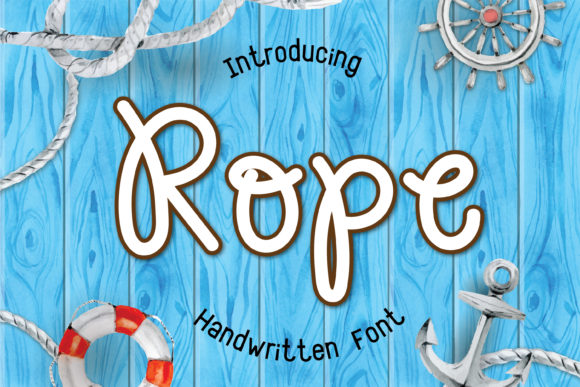
Rope is a handwritten font characterized by its organic, fluid strokes and warm, approachable feel. Unlike more rigid or structured typefaces, Rope mimics the look of handwriting, making it ideal for projects that require a personal, human touch. Its design is both playful and professional, allowing it to fit seamlessly into various contexts—from branding and marketing materials to digital interfaces and editorial design.
Developed with attention to detail, Rope features subtle variations in line weight and curve, giving it a sense of movement and life. This makes it particularly well-suited for headings, logos, social media posts, and other content where expressiveness and readability are equally important.
The Broader Industry Context
In today’s fast-paced digital landscape, brands and creators are constantly seeking ways to stand out. As consumers become more discerning, they gravitate toward content that feels authentic and relatable. This shift has led to an increased demand for fonts that convey warmth, personality, and individuality—qualities that Rope embodies effortlessly.
Moreover, the rise of remote work, digital collaboration, and online presence has amplified the need for tools that support creativity and communication. Rope aligns perfectly with this trend by offering a visually engaging yet practical solution for designers and content creators who want to enhance their message without sacrificing clarity.
In the broader context of design trends, there's a growing appreciation for handcrafted and bespoke elements. Rope taps into this desire by providing a font that feels hand-drawn rather than machine-generated. It bridges the gap between digital precision and human imperfection, which is increasingly valued in modern design.
Why People Are Paying Attention to Rope
One of the main reasons people are paying attention to Rope is its adaptability. Whether you're designing a logo, crafting a social media campaign, or creating a website, Rope can be tailored to suit different styles and purposes. Its versatility allows it to transition from casual to professional settings with ease.
Additionally, Rope has gained traction among influencers and content creators who rely on visual storytelling to connect with their audiences. The font's friendly and approachable nature helps build a sense of trust and familiarity, which is crucial in today's competitive market.
Another factor contributing to its popularity is the increasing use of custom fonts in branding. Businesses are recognizing the power of typography in shaping brand identity and customer perception. Rope, with its unique character, enables brands to differentiate themselves and create a memorable visual experience.
Changing Needs and Preferences
As digital platforms continue to evolve, so do the expectations of users. Today’s audiences seek content that is not only informative but also visually appealing and emotionally engaging. This has led to a shift in design preferences, with a greater emphasis on aesthetics, usability, and emotional resonance.
For example, in the realm of user interface (UI) and user experience (UX) design, there's a growing preference for fonts that are both readable and expressive. Rope meets this need by offering a balance between legibility and charm, making it suitable for everything from app interfaces to web banners.
Similarly, in the world of marketing, brands are leveraging the power of typography to craft compelling narratives. Rope supports this by adding a layer of personality to messaging, helping brands connect with their target audience on a deeper level.
Freelancers and entrepreneurs, who often work across multiple industries and platforms, also benefit from the flexibility of Rope. Its ability to adapt to different contexts ensures that it remains a valuable asset in any creative toolkit.
Practical Examples and Observations
Consider a small business owner looking to revamp their website. By incorporating Rope into their headline text, they can instantly give their site a more welcoming and personal feel. This subtle change can significantly impact how visitors perceive the brand, fostering a sense of trust and approachability.
For a marketer launching a new campaign, Rope can be used in social media captions, email headers, or promotional graphics to add a touch of authenticity. In an era where consumers are inundated with information, standing out is essential, and Rope provides a way to do just that.
Even in academic or professional settings, Rope can be used creatively. For instance, it might be employed in presentations, infographics, or educational materials to make complex ideas more digestible and engaging. Its friendly tone helps break down barriers between the content creator and the audience.
Connecting to Larger Developments
The growing interest in Rope reflects a larger movement toward authenticity and human-centric design. As technology continues to advance, there is a counter-movement that values the human element—whether it's through hand-drawn illustrations, personalized fonts, or user-friendly interfaces.
This trend is also evident in the rise of AI-generated content and design tools. While these technologies offer efficiency and scalability, they often lack the warmth and nuance that human-created elements provide. Rope serves as a reminder that even in a digital age dominated by automation, the human touch remains irreplaceable.
Furthermore, the global shift toward remote work and digital collaboration has made it more important than ever to create cohesive and engaging online experiences. Rope contributes to this effort by enabling teams to maintain a consistent visual identity across different platforms and mediums.
Conclusion
Rope is more than just a font—it's a reflection of changing design sensibilities, evolving consumer expectations, and the enduring value of human expression. Its natural and unique style makes it an invaluable tool for anyone looking to infuse their work with personality, warmth, and creativity.
Whether you're a designer, marketer, entrepreneur, or simply someone who appreciates good typography, Rope offers a fresh perspective on how we communicate visually. As the digital landscape continues to evolve, fonts like Rope will play an increasingly important role in shaping the future of design and content creation.