Flashing: A Strategic Tool for Adding Retro Elegance to Modern Designs
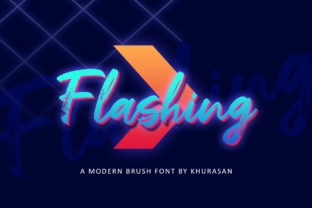
Flashing is a fresh, handwritten brush font that carries an elegant and retro aesthetic, making it a versatile choice for designers looking to infuse warmth and character into their projects. Its fluid strokes and organic feel evoke a sense of authenticity and nostalgia, which can be strategically leveraged in branding, marketing, and creative content. When used intentionally, Flashing can elevate the visual appeal of a design while aligning with specific goals and messaging.
The Strategic Value of Flashing in Design
In today's digital landscape, where clean, minimalist fonts dominate, Flashing offers a refreshing contrast. It adds personality and depth, making it ideal for projects that aim to stand out through visual storytelling. Whether you're crafting a brand identity, designing a website, or creating print materials, Flashing can help convey a unique tone that resonates with your audience.
For entrepreneurs and marketers, Flashing can serve as a strategic tool to differentiate their brand from competitors. The font’s handwritten nature suggests approachability and human connection—qualities that are increasingly valued in customer engagement. This makes it particularly useful for industries such as lifestyle, education, and creative services, where building trust and relatability is key.
When to Use Flashing for Maximum Impact
Flashing works best when it complements the overall message and purpose of a project. Here are some practical scenarios where its use can be especially effective:
- Brand Identity: Incorporate Flashing in logos, taglines, or headings to create a memorable and distinctive look.
- Marketing Materials: Use it in headlines or call-to-action buttons on websites, social media posts, or email campaigns to draw attention and encourage engagement.
- Print Media: Apply it in invitations, brochures, or packaging designs to add a touch of elegance and sophistication.
- Creative Projects: Ideal for blog headers, magazine layouts, or editorial designs where a personal and artistic feel is desired.
However, it's important to consider the context before using Flashing. Overuse can lead to clutter and reduce readability, which may undermine the intended message. Always ensure that the font enhances rather than distracts from the core content.
Planning Your Use of Flashing: Key Considerations
Before integrating Flashing into your design, take time to plan how it will support your broader objectives. Ask yourself the following questions:
- What is the primary goal of this project? Is it to inform, persuade, entertain, or inspire? Flashing should align with these goals.
- Who is the target audience? Does the font resonate with them? For example, younger audiences might appreciate its modern, handcrafted feel, while older demographics may find it nostalgic.
- What is the tone of the message? Flashing is well-suited for warm, friendly, or artistic tones but may not be appropriate for formal or technical content.
- How does it fit within the overall design? Ensure that Flashing harmonizes with other elements like colors, images, and layout.
By addressing these considerations, you can make more informed decisions about when and how to use Flashing, maximizing its impact without compromising clarity or professionalism.
Strategic Applications of Flashing Across Industries
Flashing can be adapted to various industries depending on the desired outcome. Here are some examples of how different sectors can benefit from its use:
Educational Institutions
Universities and schools can use Flashing in promotional materials, course descriptions, or event posters to create a welcoming and creative atmosphere. It helps communicate a sense of community and innovation, which can attract students and faculty alike.
Small Businesses
Local businesses, such as cafes, boutiques, or art studios, can leverage Flashing in signage, menus, or social media content to build a strong, personalized brand image. The font's retro charm can also appeal to customers who value authenticity and craftsmanship.
Creative Agencies
Design agencies and creative teams can use Flashing in client presentations, portfolio websites, or branding concepts to showcase their ability to blend traditional and contemporary styles. It demonstrates versatility and a deep understanding of typography trends.
Technology Startups
While technology often leans toward sleek, sans-serif fonts, startups can use Flashing in select areas to humanize their brand. For instance, it could be used in mission statements or team introductions to emphasize creativity and individuality.
Risks of Using Flashing Without Strategy
While Flashing offers many benefits, it can also pose risks if used carelessly. One of the main dangers is overusing the font, which can lead to visual fatigue and reduced readability. Additionally, if the font doesn't align with the brand's voice or the audience's expectations, it can create confusion or miscommunication.
Another risk is relying solely on Flashing without considering other design elements. A cohesive design requires balance, and no single element should overshadow the rest. Always test Flashing in different contexts and sizes to ensure it performs well across platforms and devices.
Maximizing the Long-Term Value of Flashing
To get the most out of Flashing, treat it as part of a larger design strategy. Think about how it contributes to your long-term goals, such as brand recognition, customer loyalty, or market differentiation. Consider investing in training or resources to explore advanced typographic techniques that can further enhance your use of Flashing.
Additionally, keep an eye on emerging trends in typography and design. While Flashing has a retro feel, it can still evolve and adapt to new contexts. Staying informed allows you to use it in innovative ways that remain relevant and impactful.
Finally, gather feedback from your audience or colleagues to see how Flashing is perceived. Their insights can help you refine your approach and ensure that your use of the font continues to support your strategic objectives.
Conclusion
Flashing is more than just a font—it's a strategic asset that can enhance the visual and emotional impact of your design projects. By understanding its strengths, limitations, and potential applications, you can use it effectively to achieve your goals and create meaningful connections with your audience. Whether you're launching a new brand, redesigning a website, or developing marketing materials, Flashing offers a unique opportunity to add elegance, personality, and a touch of nostalgia to your work.